The Shift Towards Unscripted Weddings
For a long time, most weddings followed a fairly predictable structure. Timelines were tight. Key moments were clearly defined. There was a sense of how things should occur, and most decisions were made to keep everything moving smoothly from one part of the day to the next. In many ways that still works. But in recent years, something has shifted.
Weddings are no longer only experienced in the moment. They are planned with an awareness that they will be photographed, filmed, edited, and shared. From the first mood board to the final image, there is a constant question running in the background: How will this look?
What’s changed around the day
In that sense, a wedding now exists in two versions. The one that is lived, and the one that is seen afterwards. This has raised the standard. Weddings are more considered, more detailed, often more visually striking than they’ve ever been. But this has also introduced a different kind of pressure. Not to get it wrong. Not to miss a moment. Not to let something happen without it being captured.
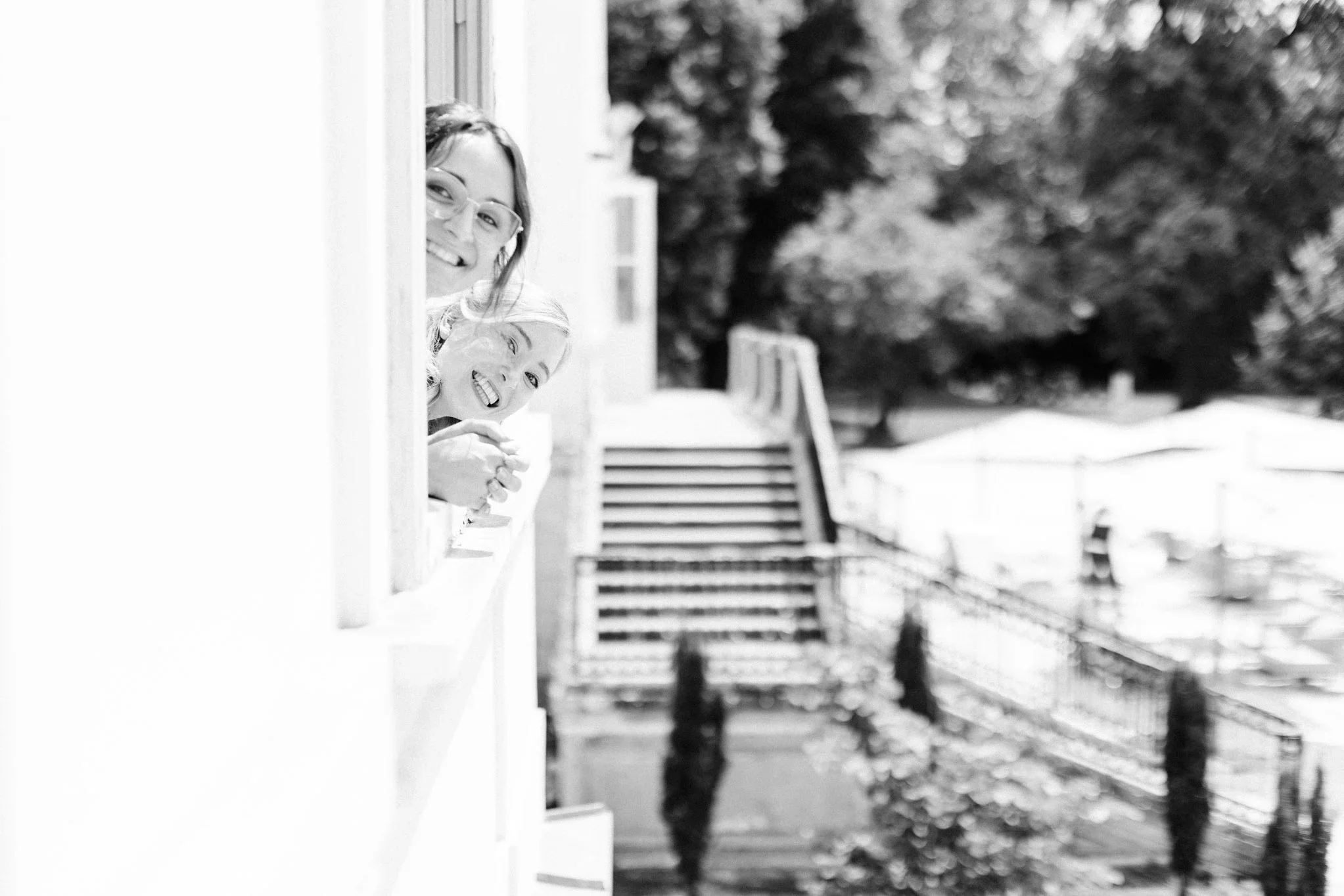
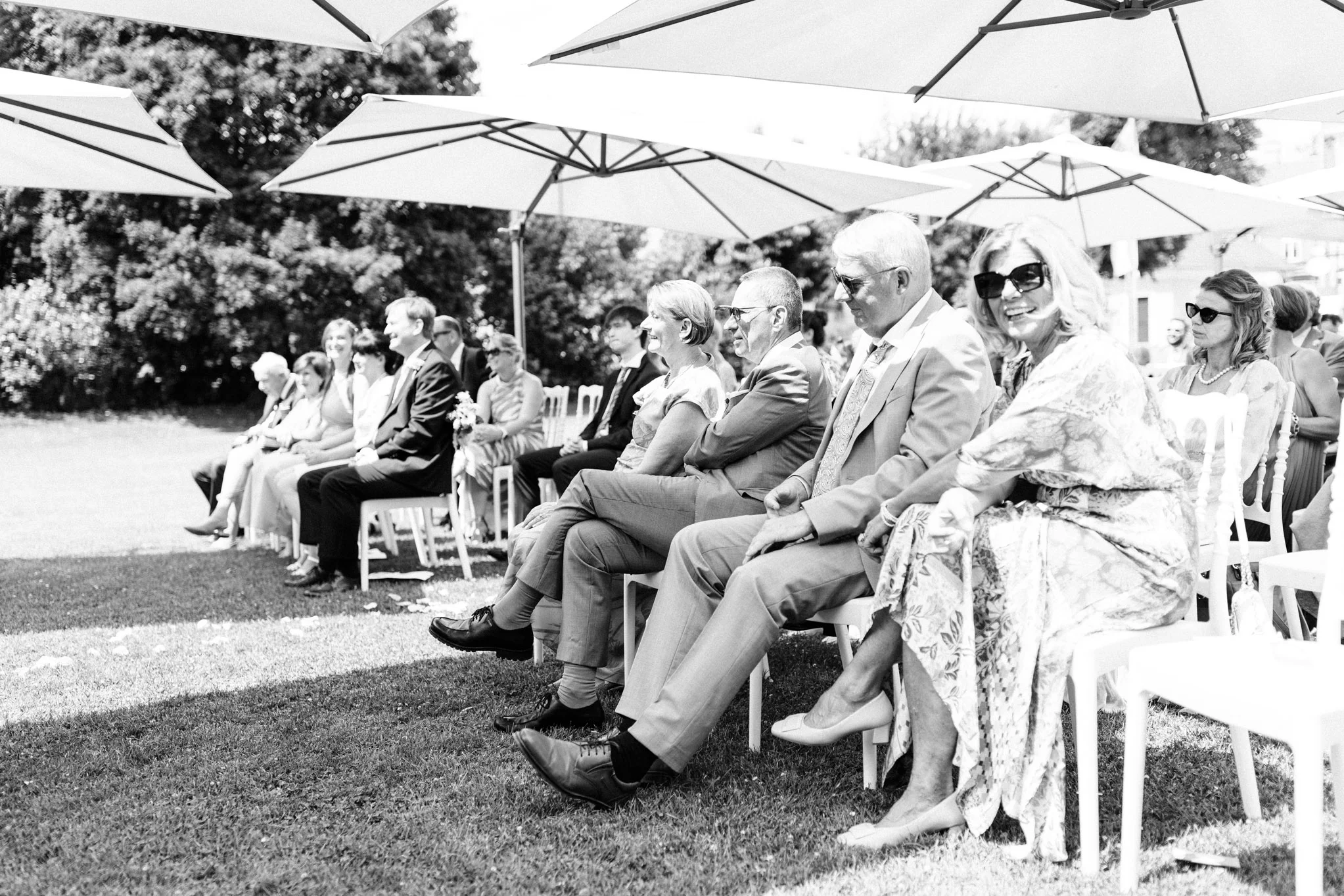
At the same time, couples are asking for something that sits in direct contrast to that. They want things to feel natural. They want candid moments, real reactions, something that doesn’t look staged. But those moments don’t come from control. And yet, they are anticipated, scheduled, and built into the structure of the day.
So, you end up with something slightly conflicted. A wedding that looks effortless, but is carefully held together behind the scenes. And that’s where the shift is starting to happen. Not away from detail or aesthetic, but away from the need to manage every outcome.
What couples are starting to value more
Couples are still planning carefully. The details still matter. But there is less interest in building a day around a checklist of moments, and more interest in how the day feels while it’s happening, not only how it looks. That shift is subtle, but it changes the entire pace of the day.
When I ask couples what they remember most, it’s rarely the perfectly timed parts. It’s the smaller things. A reaction that caught them off guard or a moment they didn’t even realise was happening at the time. This shift doesn’t change what a wedding is. It just changes how it’s experienced.
This doesn’t mean removing the structure altogether. There’s still care in how things come together and thought behind every decision, but there’s less pressure to control every outcome. And when that happens, everything tends to feel a little lighter because it’s more natural and relaxed, more like something you’re part of, rather than something you’re trying to manage.
What this means for the photographs
Every couple approaches their wedding differently, and there isn’t a single way to get it right. What I’ve noticed, though, is that when a couple gives the day a bit of space, the pace settles, and people relax. Things start to happen that no timeline could have planned. That’s where the strongest photographs tend to come from.
Not from directing or recreating something, but from paying attention to what’s already there. Anticipating it. Letting it develop, and stepping in only when it adds to the moment. It’s less about building scenes and more about recognising them as they happen.
It’s a more unscripted way of working, and it shows in the photographs. Not because anything has been added, but because nothing has been forced. The moments are already there. They’re just not interrupted, redirected, or reframed to tightly fit a version of the day. What you’re left with is something that reflects how it actually unfolded, and how it felt, not just how it was expected to be.